TLC PureProtein 80™ coming soon — join the list.

Driving science and ethics in gut–brain–metabolic health.

Driving science and ethics in gut–brain–metabolic health.Driving science and ethics in gut–brain–metabolic health.Driving science and ethics in gut–brain–metabolic health.

Built by Family. Backed by Science™

  • Home
  • Our Story
  • The Gut-Brain-Muscle Axis
    • The Gut-Muscle Axis
  • Gut Health
    • BGM System
    • The Intestinal Barrier
    • Leaky Gut and Disease
    • Healing the Barrier
    • The Sweetener Problem
    • The Gut–Brain–Stress Loop
    • The Flavor Blind Spot
    • The Sweetener Study
  • Brain & Neuroscience
    • Brain Predicts the World
    • Prediction Gone Wrong
    • Training the Machine
  • Metabolic Health
    • Metabolic Strategies
    • KetoTherapy and the Brain
    • The Fermentation Fix
  • Muscle & Protein
    • Protein Timing Explained
    • Protein Timing (Under 40)
    • Protein Timing (Over 40)
    • Preventing Muscle Loss
    • Smart Protein Choice
    • Precision Dosing
    • The Cardio Myth
    • Why We Chose Pea
  • CLEAN NUTRITION
    • Why We Use Coconut Sugar
  • Product Guidance
    • Product Use & Dosing
    • Batch Quality & Reports
    • FAQs
  • Shop
  • More
    • Home
    • Our Story
    • The Gut-Brain-Muscle Axis
      • The Gut-Muscle Axis
    • Gut Health
      • BGM System
      • The Intestinal Barrier
      • Leaky Gut and Disease
      • Healing the Barrier
      • The Sweetener Problem
      • The Gut–Brain–Stress Loop
      • The Flavor Blind Spot
      • The Sweetener Study
    • Brain & Neuroscience
      • Brain Predicts the World
      • Prediction Gone Wrong
      • Training the Machine
    • Metabolic Health
      • Metabolic Strategies
      • KetoTherapy and the Brain
      • The Fermentation Fix
    • Muscle & Protein
      • Protein Timing Explained
      • Protein Timing (Under 40)
      • Protein Timing (Over 40)
      • Preventing Muscle Loss
      • Smart Protein Choice
      • Precision Dosing
      • The Cardio Myth
      • Why We Chose Pea
    • CLEAN NUTRITION
      • Why We Use Coconut Sugar
    • Product Guidance
      • Product Use & Dosing
      • Batch Quality & Reports
      • FAQs
    • Shop

Built by Family. Backed by Science™

Driving science and ethics in gut–brain–metabolic health.

Driving science and ethics in gut–brain–metabolic health.Driving science and ethics in gut–brain–metabolic health.Driving science and ethics in gut–brain–metabolic health.
  • Home
  • Our Story
  • The Gut-Brain-Muscle Axis
    • The Gut-Muscle Axis
  • Gut Health
    • BGM System
    • The Intestinal Barrier
    • Leaky Gut and Disease
    • Healing the Barrier
    • The Sweetener Problem
    • The Gut–Brain–Stress Loop
    • The Flavor Blind Spot
    • The Sweetener Study
  • Brain & Neuroscience
    • Brain Predicts the World
    • Prediction Gone Wrong
    • Training the Machine
  • Metabolic Health
    • Metabolic Strategies
    • KetoTherapy and the Brain
    • The Fermentation Fix
  • Muscle & Protein
    • Protein Timing Explained
    • Protein Timing (Under 40)
    • Protein Timing (Over 40)
    • Preventing Muscle Loss
    • Smart Protein Choice
    • Precision Dosing
    • The Cardio Myth
    • Why We Chose Pea
  • CLEAN NUTRITION
    • Why We Use Coconut Sugar
  • Product Guidance
    • Product Use & Dosing
    • Batch Quality & Reports
    • FAQs
  • Shop

Why We Chose Organic Coconut Sugar for TLC PureOrigin™

Where flavour meets function.

At TLC PureOrigin™, every ingredient earns its place. When developing TLC PureProtein 80™ and TLC PurePlant Protein, we wanted a sweetener that fit our science-based mission, metabolic balance, gut compatibility, and clean flavour, without overselling what a sweetener can do.


Our choice: certified organic coconut sugar.


Coconut sugar is made from the nectar of the coconut palm. It's mostly sucrose, with small amounts of glucose, fructose, and trace minerals, amino acids, and antioxidants. We're not going to tell you it's a health food, it's sugar, used sparingly, at about 3.2 grams per serving in the flavoured blends and none in the unflavoured.


What the evidence supports is modest, and worth stating plainly. Coconut sugar is largely sucrose, and in the one direct human comparison its blood-sugar response was similar to ordinary sugar, so its value here isn't a magic low glycaemic index. It's the amount. At ~3.2 grams, a serving contributes roughly 13 calories and an estimated glycaemic load under 2, a very small glucose exposure. And because sucrose is digested and absorbed in the small intestine, that small amount doesn't reach the colon intact the way some poorly absorbed non-nutritive sweeteners do, several of which have been shown in controlled research to alter gut bacteria.


There's also a simple food-science reason. A little real sugar does things high-intensity sweeteners can't: it adds body, mouthfeel, and the caramel and roasted notes that come from gentle browning, without the bitter or metallic aftertaste some artificial sweeteners leave behind. Using a small amount of sugar lets us make a lightly, cleanly sweetened product rather than chasing full sweetness with a stack of additives.


So the real reason it's in the formula is straightforward: a tiny amount of a familiar, well-understood sugar, absorbed where sugars are meant to be absorbed, chosen over a novel non-caloric ingredient whose long-term effect on the gut is still an open question. Our coconut sugar is certified organic and tested for purity and heavy-metal safety.


TLC PureProtein 80™ and TLC PurePlant Protein — where flavour meets function.


For the full reasoning and citations, see our article "Coconut Sugar and Non-Nutritive Sweeteners: A Critical Comparison of Glycaemic, Microbiome, and Metabolic Evidence," and our scientific rationale "Why TLC PureOrigin Excludes Non-Nutritive Sweeteners."
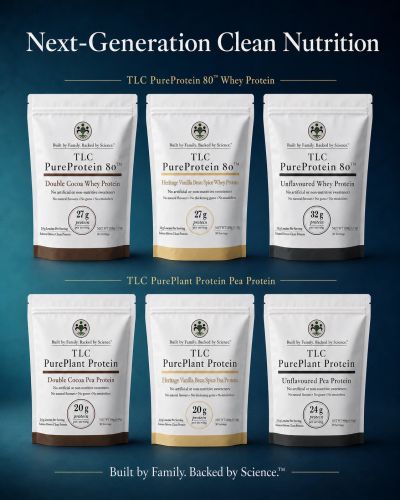
Six TLC protein powder packages displayed against a blue background.

For the full reasoning and citations, see our article

© 2025 TLC NeuroMicrobiome Labs Inc. • Product of Canada
Educational content only; not intended to diagnose or treat disease. Consult a qualified professional before major dietary changes.

Coconut Sugar and Non-Nutritive Sweeteners A Critical Comparison. (pdf)

Download

Copyright © 2026 TLC NeuroMicrobiome Labs Inc. - All Rights Reserved.

  • Shop

Powered by

This website uses cookies.

We use cookies to analyze website traffic and optimize your website experience. By accepting our use of cookies, your data will be aggregated with all other user data.

Accept